
September: Sustaining
Throughout September, our Old Testament readings trace a wilderness journey: a people fed with bread they cannot hoard, given water from an unlikely rock, and taught, again and again, that provision comes as a gift rather than a possession.
Alongside these stories, Paul and Matthew ask what it is to live as people bound to one another in Christian relationship: forgiving debts we could not repay ourselves, welcoming those who see us differently, and receiving grace that unsettles our sense of what is fair.
Together, they invite us into a season of sustaining – trusting what we’re given, tending what we share, and discovering that enough, offered freely, is enough.
Exodus 14:19-31 | Psalm 114 | Romans 14:1-12|
Matthew 18:21-35
Today’s texts are concerned with what happens at the boundaries between people: at the edge of the sea, at the edge of the table, at the edge of forgiveness.
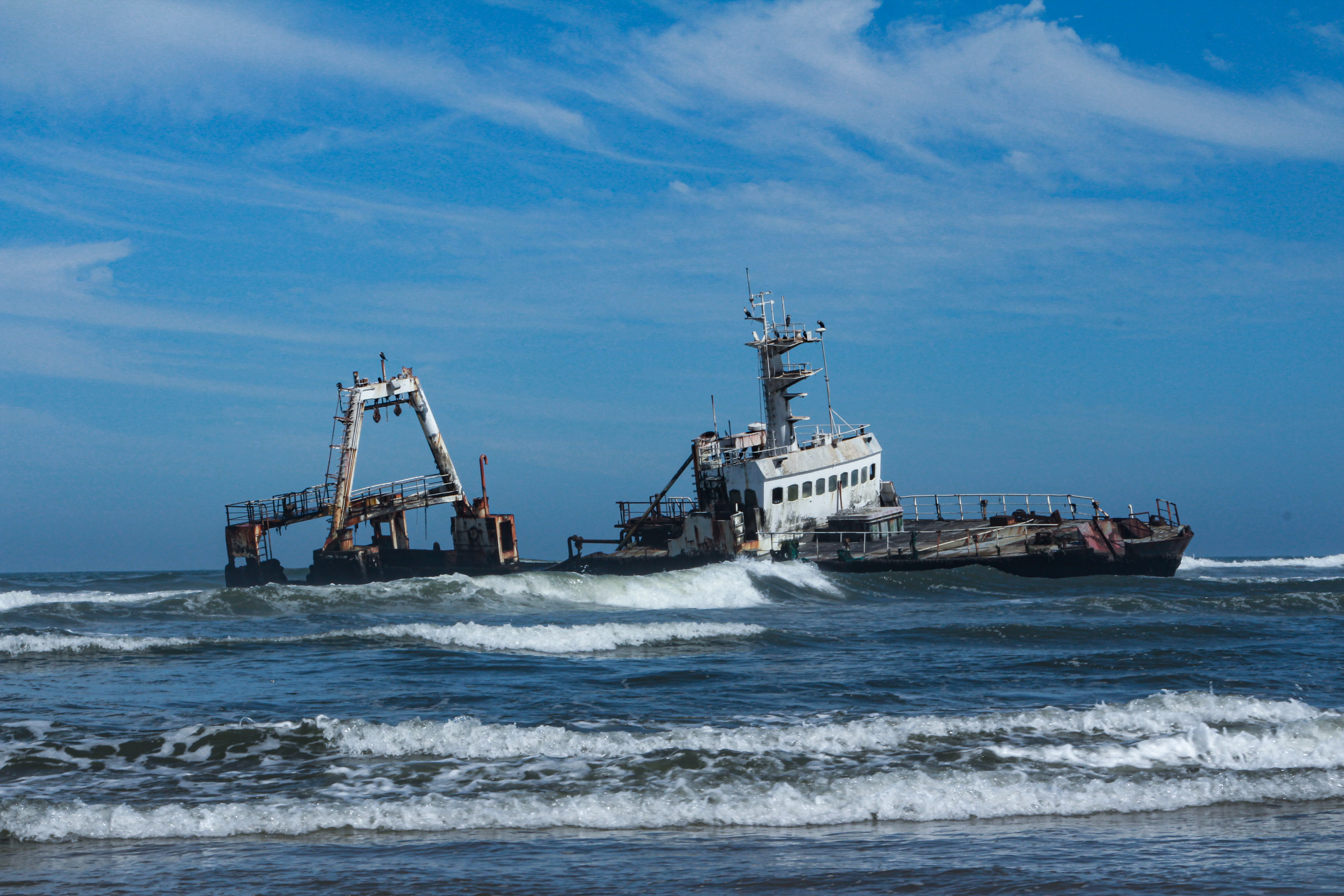
Exodus 14 is about a boundary God creates and holds between Israel and Egypt as pillar of cloud and fire, then sea. The waters swallow up Pharaoh’s armies while allowing their former slaves to pass through untouched. Psalm 114 catches the aftershock as mountains skip like rams and the earth itself trembles at what it has just witnessed. Unflinchingly, they name together the cosmic ramifications of deliverance through destruction.
In the midst of live conflict within the Roman church, Paul takes an entirely different tack. Rather than adjudicating who is right or drawing boundaries between those who are in and those who are out, he insists that each person belongs to the Lord and, therefore, not to another’s private judgement.
Matthew 18 offers a sobering counterpoint: a servant is forgiven a debt beyond any hope of repayment, yet draws a very different line when confronted with a fellow servant who owes him comparatively little. He is then handed back into the torment from which he himself had been spared.
Taken together, these texts complicate any easy account of boundaries.
Some boundaries protect the vulnerable; others simply preserve our own entitlement, as we hoard mercy we were never meant to keep for ourselves. We are thus left without a tidy theology of the edge, but with a difficult task of discernment: to recognise the boundaries that preserve life, and to release those we have no right to keep.
PrayerPoem
God of the edges
You part the water
and call us through it –
not because the sea is harmless,
but because you are standing
between your people and what is coming.
The mountains cannot keep still.
The earth shakes.
deliverance is never a small thing
We too draw lines:
some keep danger out;
some open a way through;
some simply mark the place
where my freedom started eating yours.
We call our fear, wisdom;
our preference, holiness;
our judgement, discernment.
Yet, at your table,
we arrive already in debt,
receive mercy with open hands,
and close our fists
around what we believe is owed to us.
Do not let us grow comfortable
with the boundaries that protect
only our own certainties.
Do not let “forgiven”
become “entitled.”
Do not let us mistake
our judgement for your mercy.
Hold us here,
between the sea and the shore,
between release and what it costs,
unsettled long enough
to be less certain,
more honest,
                    and watching
    for where your life
            is making a way through.
Feel free to leave a comment below with your reflections or ways this week’s readings and prayer speak to your journey. You’re also invited to subscribe for weekly prayer-poem downloads and deeper reflections.


Leave a Reply